Featured
Table of Contents
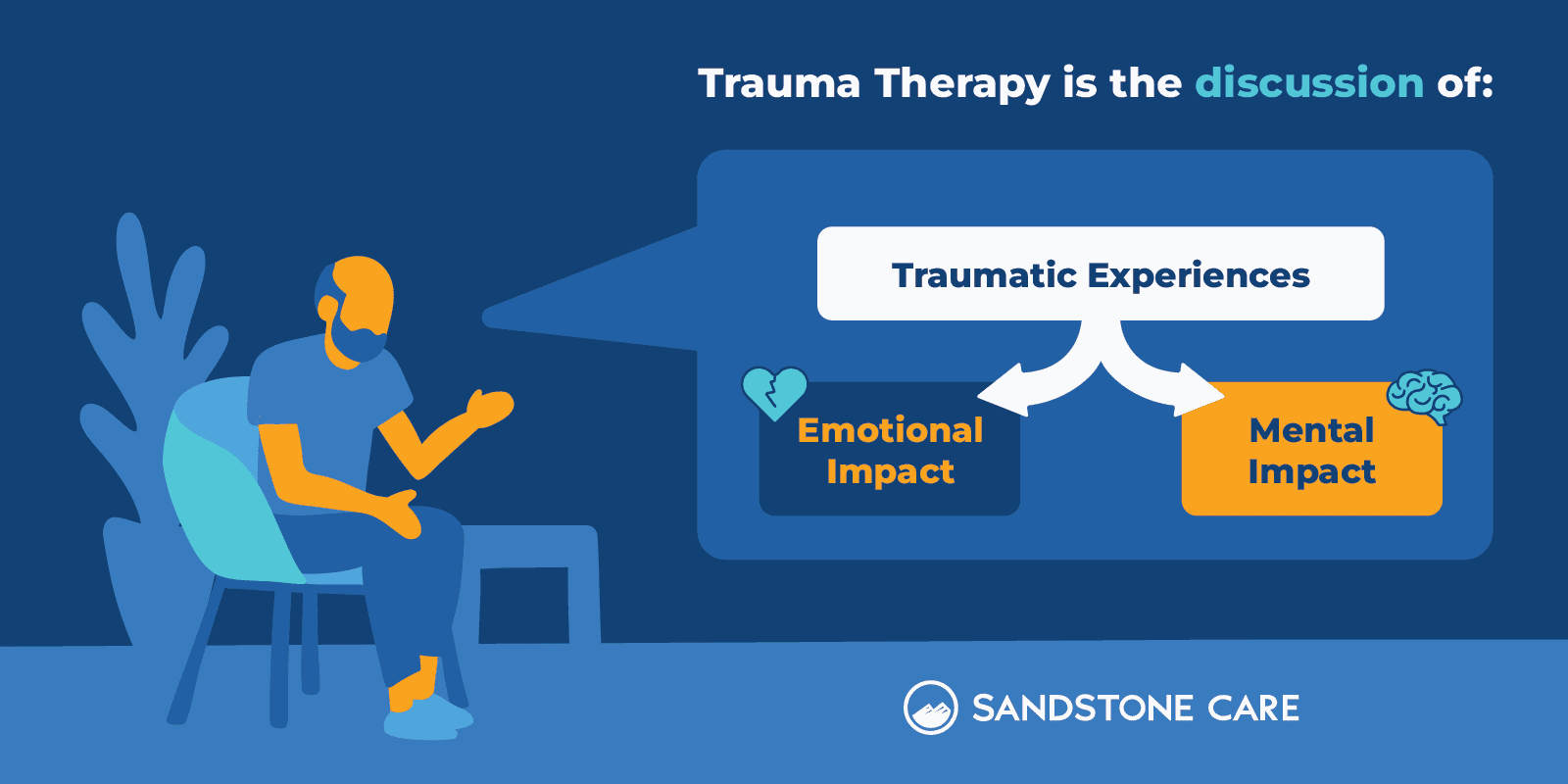
Conventional talk treatment commonly functions this way. The idea is that by altering your thoughts, you can alter your feelings and activities.
These therapies are considered 'bottom-up' because they focus on body-oriented methods. They function with the physical imprints of trauma, assisting to access and procedure hard product that words alone could not reach.
hinge on something called the Adaptive Data processing (AIP) design. This merely means that when trauma obtains properly refined, it loses its emotional sting and becomes incorporated into your memory in a healthier means. As opposed to feeling like the terrible occasion is taking place today, it becomes something that clearly took place in the past.
This balanced, left-right excitement appears to activate your brain's natural recovery systems, permitting stuck memories to move through your system more efficiently. What's especially comforting about EMDR is that over and over once again. You won't need to share every agonizing detail or invest sessions drowning in difficult feelings. Rather, EMDR aids diminish the frustrating power these memories hold over you, so you can eventually consider or review them without really feeling flooded with distress.
Preparation in EMDR Intensives
They frequently report that after EMDR therapy, things that when caused intense responses simply never mind them the exact same way any longer. There's often a renewed feeling of confidence and security worldwide that they hadn't felt in years. for treating PTSD, anxiety, anxiety, and other trauma-related problems. Study shows EMDR is reliable for PTSD, with research studies demonstrating substantial decreases in trauma symptoms following treatment.
For clients looking for thorough injury treatment, collaborating with an can be particularly powerful. This integrated strategy addresses both the mental and physical aspects of trauma, producing a more full course to healing. EMDR adheres to a structured eight-phase protocol that guarantees your safety and security and progression throughout the healing procedure. If you're curious regarding what each stage includes, you can explore this carefully right here: The Eight Phases Of EMDR Treatment: Understanding Each Action In Your Path To Healing.
To learn even more regarding exactly how EMDR might support your recovery, visit our page on EMDR Treatment Pittsburgh. Our bodies are absolutely extraordinary, regularly communicating with us. is a warm, body-centered strategy to healing that deeply recognizes this connection in between our mind and body. The word 'Soma' comes from ancient Greek, suggesting 'the living body understood from within,' highlighting a feeling of wholeness.
This allows your nerves to procedure and launch power gradually, without feeling bewildered. One more vital device is. This entails carefully relocating your focus back and forth between uncomfortable experiences and locations of calm or convenience in your body. This practice helps develop your capacity to handle challenging sensations and instructs your nerves exactly how to control itself.
The Emotionally Focused Therapy (EFT) Approach to Trauma
This launches the "icy injury power" and brings back a sense of safety and equilibrium within you. The Polyvagal Concept, created by Dr. Stephen Porges, provides a scientific look at how somatic treatment aids balance your nerve system. By gently functioning with your body's all-natural wisdom, somatic therapy helps you process feelings that have been trapped, total anxiety responses that obtained stuck, and bring back a feeling of safety and security and connection with yourself and the world around you.
Both modalities strongly emphasize the. They acknowledge that unpleasant experiences leave an imprint not just on our ideas but additionally deep within our physiques. Recovery, after that, should involve both. They additionally share a. This suggests they deal with the raw, physical sensations and psychological actions stored in the body initially, rather than just speaking about thoughts.
A central goal for both therapies is. They give gentle devices and guidance to assist your body move out of the "excessive" (fight/flight) or "inadequate" (freeze) states. The goal is to aid you increase your 'Window of Tolerance,' so you can feel a lot more based and existing in your day-to-day life.

Latest Posts
The Function of Somatic Therapy in Anxiety Management
Why Comprehensive Care Makes Sense
The Healing Power of Synergistic Treatment combining Diverse Methods for Family Relationships